The Lab · Plasma Physics
Airion Dynamics: chasing thrust with plasma.
A self-initiated aerospace R&D project investigating plasma-based flow control: building plasma synthetic jet actuators, imaging their flow with Schlieren optics, and measuring thrust a few milligrams at a time.
- Role
- Founder: research direction, rigs, testing
- Type
- Self-initiated R&D
- Focus
- PSJA & DBD actuators, drag reduction
- Status
- Bench experiments complete
01Introduction
Introduction
Airion Dynamics is an aerospace R&D initiative I founded to investigate whether plasma-based flow control could make aircraft more efficient. I directed the research and worked with a small group of engineers and scientists. The goal: take active plasma actuators from theory to working prototypes, towards a long-term ambition of retrofitting commercial aircraft to cut drag, fuel consumption and emissions.
02Project outline
Project outline
The challenge we set ourselves was to address three growing problems in aviation: rising fuel costs, increasing carbon emissions, and strict noise regulations.
We focused on developing Active Ion Laminar Flow Control (AILFC) - a system designed to ionise the airflow across an aircraft's wing surface, reducing drag and increasing efficiency.
Our target was up to 6% improvement in fuel efficiency at cruise and up to 10% at take-off.
03Research and approach
Research and approach
We began with a literature review of plasma actuator technologies, focusing on glow discharge actuators, tri-electrode devices, and pulse jets.
From there, we developed a phased programme guided by a fast-fail methodology:
Phase 1
Establish feasibility through benchtop testing, CFD simulations, and wind tunnel validation.
Phase 2
Compare plasma actuators against conventional control surfaces, examining power efficiency, weight, and drag reduction.
Phase 3
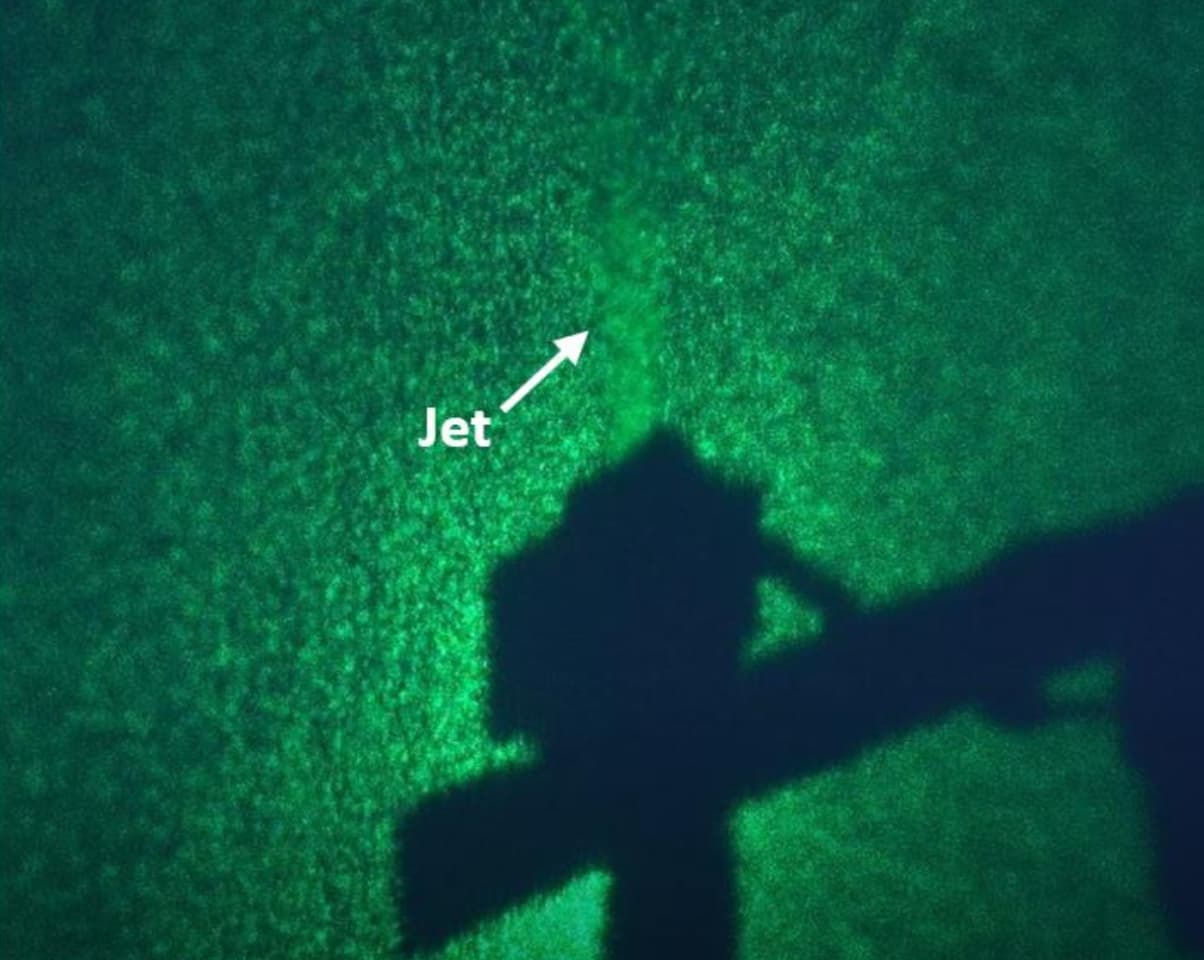
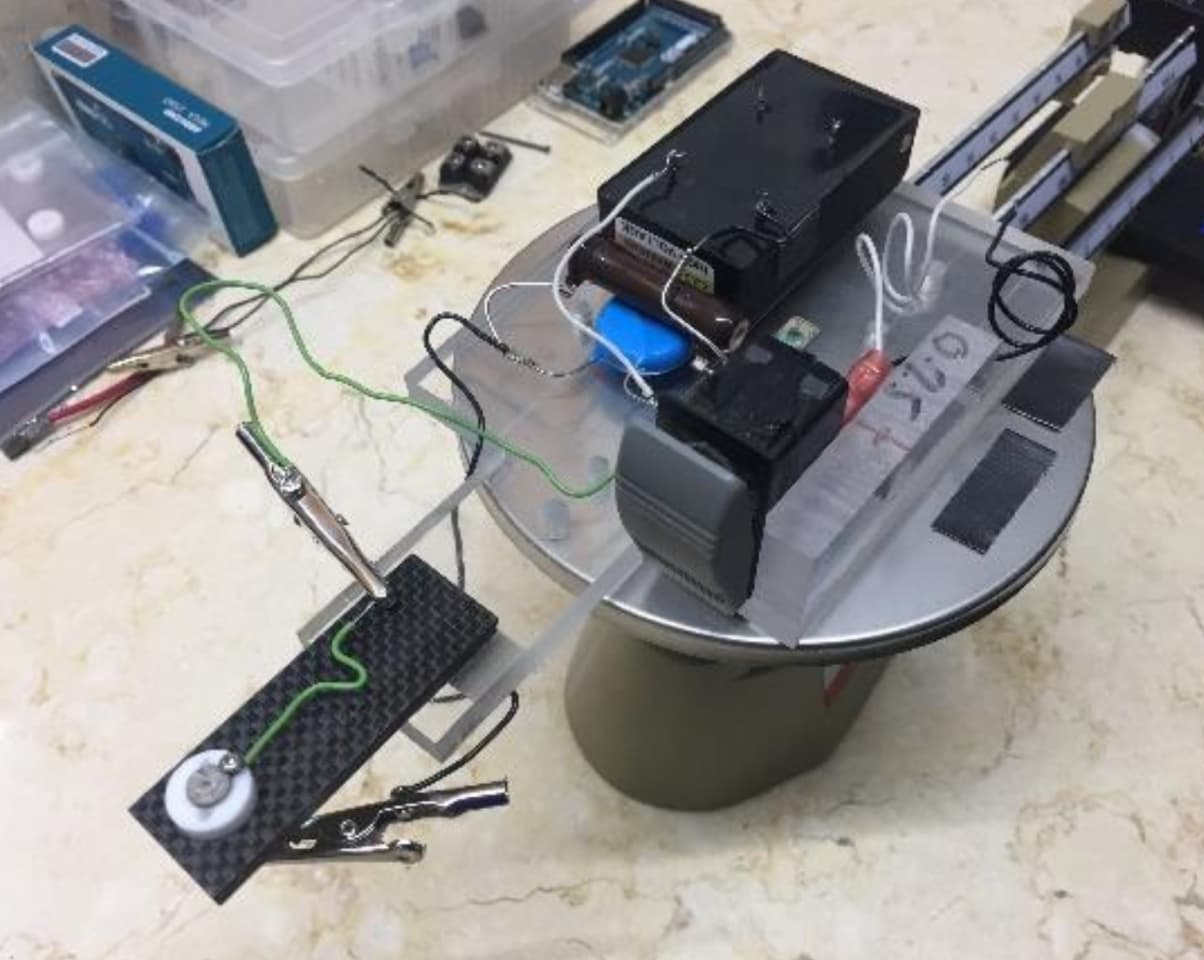
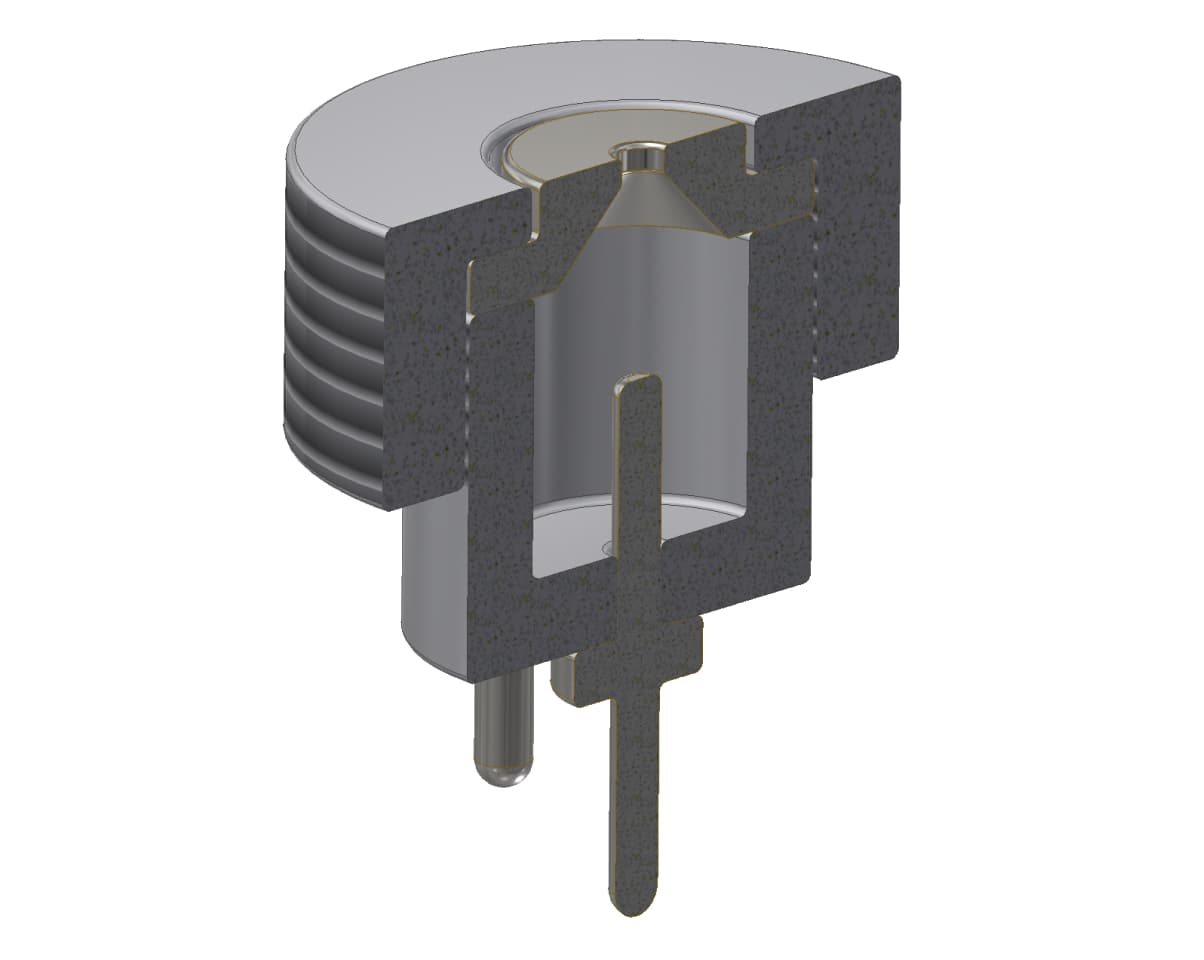
Build and fire prototype plasma pulse jets, measure thrust, and attempt Schlieren flow visualisations.
Phase 4 and roadmap
Develop wind tunnel experiments, refine chamber/nozzle designs, and simulate scalability to airliner-size wings.
04Visual documentation
Visual documentation
05Team & expertise
Team & expertise
The project was carried out by a multidisciplinary team with backgrounds across:
Aerospace engineering & propulsion
Experience on satellite propulsion systems, hypersonics research, and previous work with NASA, DARPA, Stanford, SETI and US Air Force Research Lab projects.
Plasma physics & materials science
Specialists in experimental plasma actuators, metamaterials, and erosion-resistant electrode design.
CFD & aerodynamics
Researchers with published work on flow control and aerodynamic simulations.
Embedded systems & control
Engineers skilled in real-time actuator control, power systems, and custom sensor design.
Industry & policy expertise
Professionals with backgrounds in aerospace consulting, business development, and government relations.
This combination of technical and strategic expertise allowed the project to bridge the gap between research and potential commercialisation.
06Results
Results
What worked
- Successfully built and tested pulse jet plasma actuators, recording measurable thrust.
- CFD studies confirmed scalability and supported predicted drag reduction.
What didn't work
- Electrode erosion limited device reliability.
- Schlieren imaging was difficult to achieve at quality, restricting flow visualisation data.
- Power supply systems were heavy and inefficient for smaller UAVs, requiring redesign.
07Outcome
Outcome
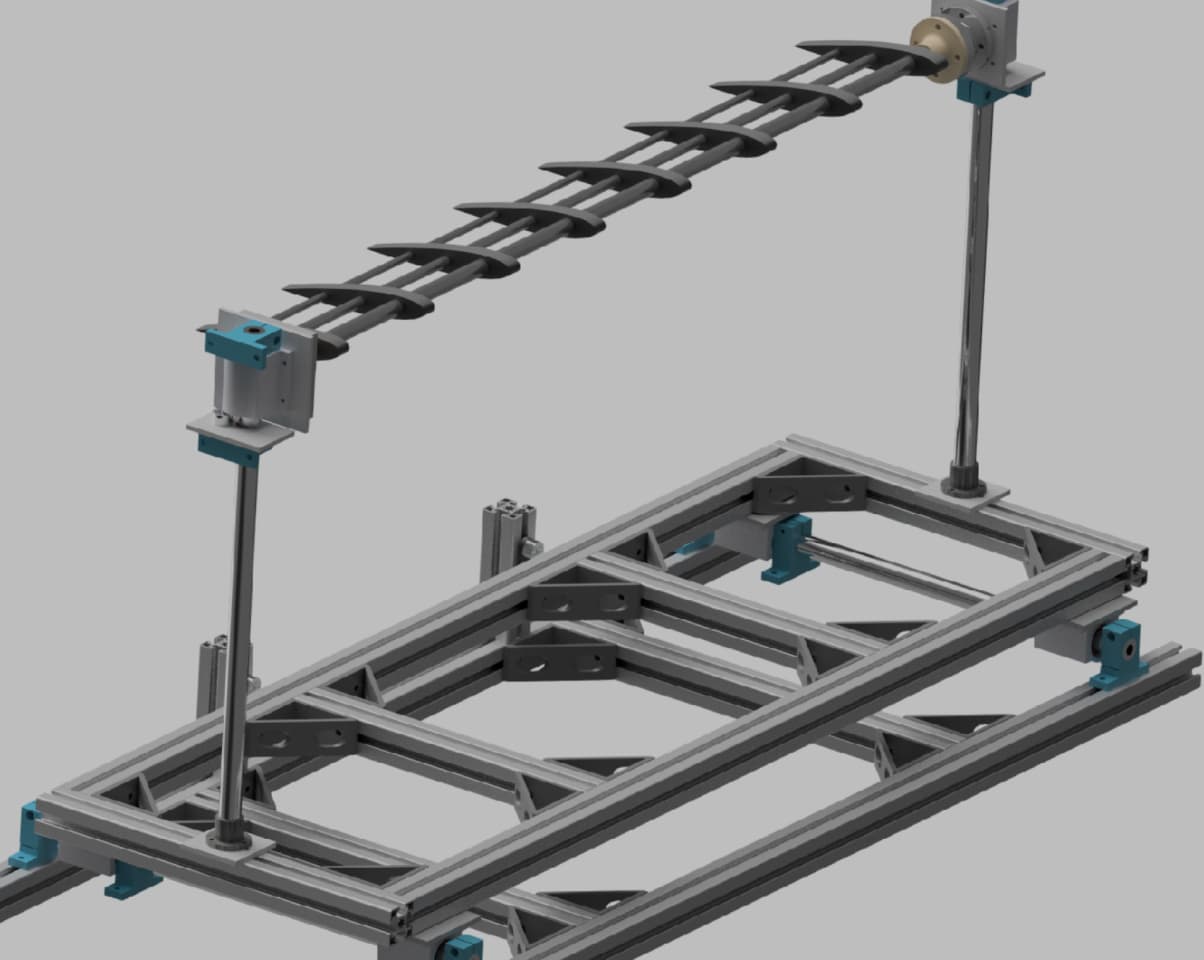
By the conclusion of the project we had progressed the technology to TRL 3–4, with working prototypes, and began to validate wind tunnel data through the use of a novel device intended to mimic a wind tunnel, and proof-of-concept flight demonstrations. While challenges remained in durability and power efficiency, the results pointed towards significant potential for fuel savings and emission reductions in commercial aviation.